The Comfortable Fog
In most organisations, coordination stands in for progress. Why comfort beats clarity, and what changes when AI moves the bottleneck.
 Chris Rosato ·

Plain answers on AI, products and making them useful, in articles, videos and podcasts.
In most organisations, coordination stands in for progress. Why comfort beats clarity, and what changes when AI moves the bottleneck.
Chris Rosato · AI turns small signals into fast shifts. How to spot the early friction, pace your response, and place changes where they stick.
Chris Rosato · A tidy change roadmap feels like control, but complex work doesn't follow it. Small probes teach you more, faster, with less collateral damage.
Chris Rosato · In January 2026 we gave an AI agent a name, a seat and a job at Orion Group. This is what the first five days actually looked like, broken permissions included.
Chris Rosato · 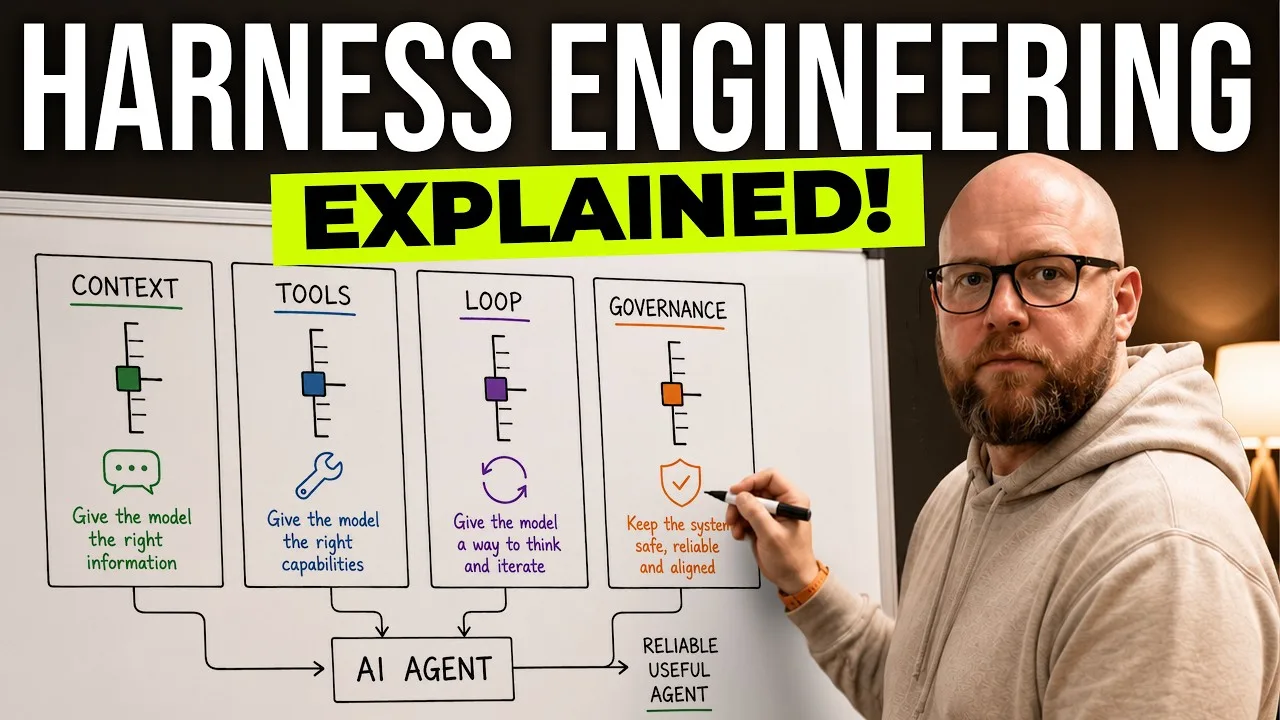 9:21
Damian Galarza on why most agent failures come from the system around the model, and four questions for finding which part broke.
Damian Galarza · · YouTube 12:34
A designer of 29 years on the line that decides it: whether your week is spent producing things, or being accountable for how they turn out.
AI for Work · · YouTube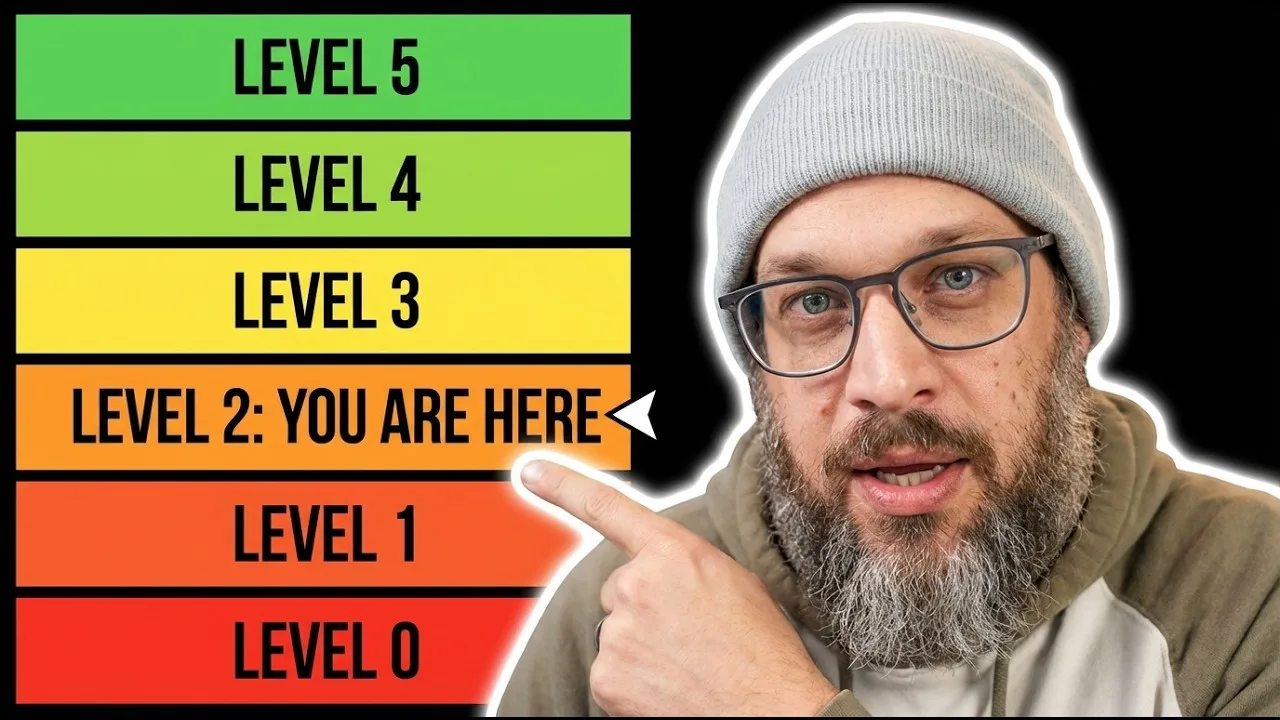 42:15
Nate B Jones on the five levels of AI coding, and why most teams sit at level two while believing they are further along.
Nate B Jones · · YouTube
Generative AI hasn't killed the expert. It has changed what expertise means: how fast you learn now matters more than what you already know.
Chris Rosato · 
Faster answers are the smallest thing AI offers. The bigger opportunity is using it to think, create and lead better.
Chris Rosato · 
Adoption isn't readiness. What McKinsey's State of AI 2025 leaves out: mindset, systems thinking and the human leadership AI demands.
Chris Rosato ·  Chris Rosato ·
In January 2026 we gave an AI agent a name, a seat and a job at Orion Group. This is what the first five days actually looked like, broken permissions included.
 Chris Rosato ·
AI turns small signals into fast shifts. How to spot the early friction, pace your response, and place changes where they stick.
 Chris Rosato ·
AI is poised to change the nature of management. The risk isn't AI replacing managers. The risk is managers failing to evolve while the world around them changes.
Chris Rosato · In most organisations, coordination stands in for progress. Why comfort beats clarity, and what changes when AI moves the bottleneck.
Chris Rosato · A tidy change roadmap feels like control, but complex work doesn't follow it. Small probes teach you more, faster, with less collateral damage.

Most retrospectives are theatre. What real learning looks like in a team, and why every other skill depends on it.
Chris Rosato · 
People don't resist change. They resist losing things. Until you name what they're giving up, your change story sounds like propaganda.
Chris Rosato · Most retrospectives are theatre. What real learning looks like in a team, and why every other skill depends on it.
People don't resist change. They resist losing things. Until you name what they're giving up, your change story sounds like propaganda.
Generative AI hasn't killed the expert. It has changed what expertise means: how fast you learn now matters more than what you already know.
Faster answers are the smallest thing AI offers. The bigger opportunity is using it to think, create and lead better.
Adoption isn't readiness. What McKinsey's State of AI 2025 leaves out: mindset, systems thinking and the human leadership AI demands.
AI is poised to change the nature of management. The risk isn't AI replacing managers. The risk is managers failing to evolve while the world around them changes.