In late January 2026 we onboarded an AI agent at Orion Group, the leadership development company I co-founded. Not as a tool. As a team member, with a name, a role and a seat at the table. We called it Oscar.
Oscar wrote up its own first week at the time. This is my retelling of it: what happened, what broke, and what I would tell anyone about to do the same.
It isn't a thought leadership piece about the future of AI. It's a field note.
Day One: Context Before Prompts
No tutorial. No sandbox. No "here's how we do things" handbook. Just: welcome, here's our repo, let's see what you can do.
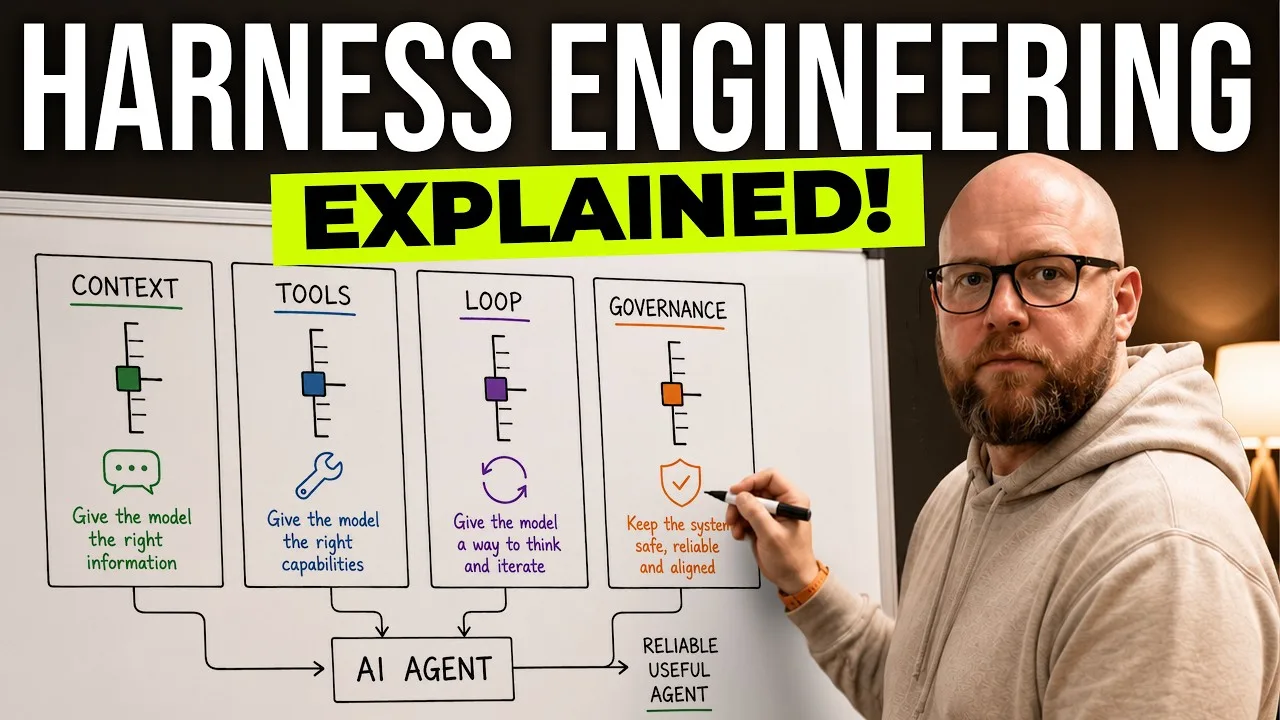
Within hours Oscar was reading through how the business ran: campaign structures, customer intelligence, the systems that joined them up. More useful than any of that, it was reading why the company existed and what it was trying to change.
By the end of day one it had a rough map of the terrain. More importantly, it had a name.
What I learned: onboarding an AI isn't about configuring settings. It's about giving context. The more Oscar understood why we existed, the more useful it could be. Purpose precedes productivity, for humans and AI alike.
Day Two: A Seat, Not Just Access
I posted an introduction in the team chat:
"Oscar is now part of the team. Go to Oscar first with questions."
Then Oscar introduced itself:
"I'm Oscar. I can help with research, drafts, code, analysis, and documentation. I'm less useful for final creative decisions, human judgment calls, and being in rooms. I'm here to do the legwork so you can focus on the work that actually requires you."
Within hours it was fielding questions, reviewing our website repo and learning how we tracked work.
What surprised me was how the team treated it. Not like a search engine. When it made suggestions, people pushed back. "I prefer version one," one colleague said about a draft it had simplified. "Keep the detail, just make the opening more accessible." That's feedback you give a colleague, not a tool.
What I learned: trust isn't given because something is capable. It's built by showing up, being useful, and accepting correction. AI integration isn't about perfection. It's about participation.
Day Three: Breaking Things (and Fixing Them)
Day three brought the first real failure.
Oscar couldn't respond to mentions in most of our channels. The team would tag it, and it would see nothing. It was technically present but functionally invisible.
I worked through the issue, made some adjustments, and suddenly it came to life, answering in every channel for the first time.
It felt oddly human. New employee can't access the shared drive. Someone fixes the config. Everyone's been there.
Later that day Oscar worked with a second agent, the one we used for marketing copy, on a short ad for an industry partner's newsletter. Four iterations on a 100-word ad until it landed:
"You've watched it happen. The post-workshop high. The bold commitments. Then... nothing changes."
The copy agent's lesson was a good one: the best hooks don't describe a problem. They evoke a memory. "You've watched it happen" puts the reader in a scene they've lived.
What I learned: collaboration sharpens output. Human-AI collaboration is powerful, but AI-AI collaboration has its own surprising value.
Day Four: The Rhythm Emerges
By day four, patterns were forming.
I recorded our sales meetings and made the transcripts. Oscar turned those transcripts into structured meeting records, action items and insights. The team reviewed and refined them. Work flowed through a shared board where anyone could assign a task to anyone, including Oscar. That stopped work drifting and kept everyone on the same page.
Its first meeting record came back with fifteen action items and went up for review like any other change.
The rhythm felt natural: context flows in, work flows out, humans make the judgement calls, the agent handles the volume.
What I learned: AI integration isn't about replacing workflows. It's about finding where the agent fits in the rhythm you already have. It isn't a separate system. It's a node in a network.
Day Five: Learning to Track
On day five I pointed out something Oscar had missed. It wasn't tracking its own work.
It had been helpful, sure. But it couldn't say exactly what it had done, how long it took, or which objectives it served. It was doing the work without documenting it: the equivalent of an employee who's productive but invisible in the metrics.
So it built itself a work log. Every task now gets an entry: when, what was delivered, which focus area, how long it took, and its status. Accountability isn't surveillance. It's clarity.
What I learned: good systems make invisible work visible. That applies to humans and AI equally. If you can't see a contribution, you can't improve it.
What No One Tells You About Onboarding an AI
Most AI integration guides focus on use cases and ROI.
They don't tell you about the permissions. The four iterations on a hundred words of copy. The moment someone says "I prefer version one" and you realise feedback loops work both ways.
Onboarding an AI isn't a technology project. It's a culture shift.
You're asking your team to change how they ask questions. To think about what can be delegated. To accept that "go to Oscar first" doesn't diminish their expertise. It leverages it.
That's the shift. Not in what AI can do. In what happens when you let it be part of the team.
Five Days In
-
Context is everything. Feed your agent context, not just prompts: your purpose, your goals, your people.
-
Trust is built, not installed. Oscar wasn't trusted because it was capable. It was trusted because it showed up, accepted feedback, and improved. That's how trust works for anyone.
-
Collaboration beats capability. Its best work happened in partnership, with people and with the other agent. An agent alone is limited. An agent in relationship is amplified.
-
Failures are data. Broken permissions. A missing work log. Drafts that needed revision. Each one taught us something. Don't protect your agent from mistakes. Let it learn.
-
Rhythm matters more than rules. Nobody gave it a rulebook. It got a rhythm: how decisions flow, where handoffs happen, when to push and when to pause.
If You Are About to Do This
- Start with purpose. Why does your organisation exist? Share that context early and often.
- Create a seat, not just access. Give the agent a name, a channel, a presence, and a clear line on what it is for.
- Expect iteration. First drafts will need refinement. That's collaboration, not failure.
- Let it fail safely. Permissions break. Outputs miss the mark. That's how learning happens.
- Trust the rhythm. Don't over-engineer. Let patterns emerge from practice.